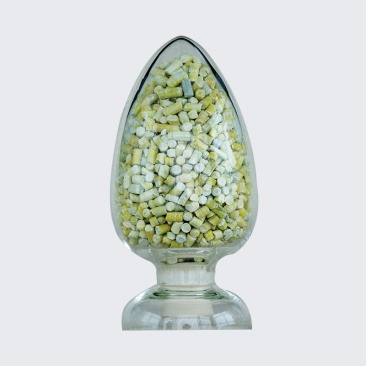
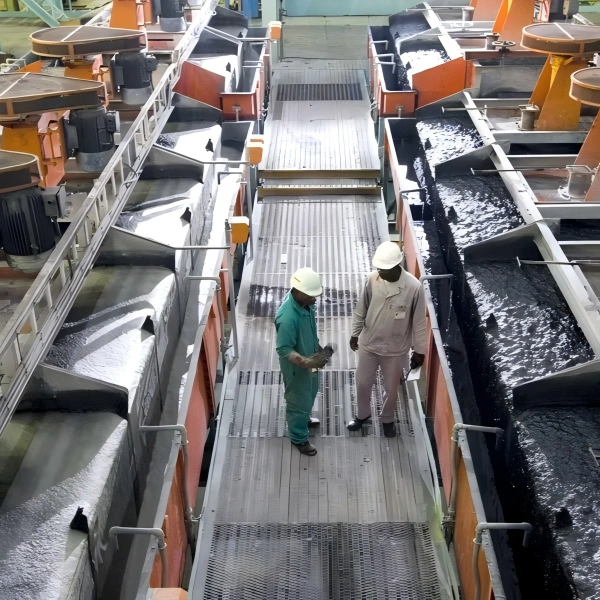
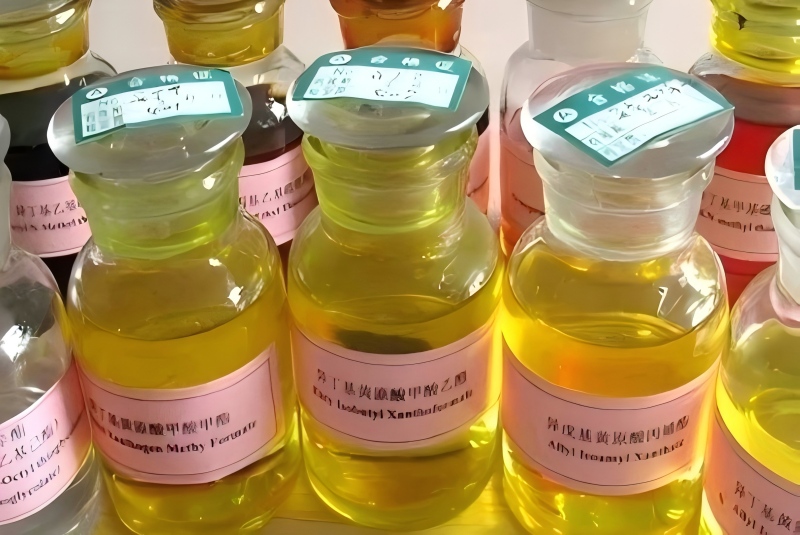
Flotation reagents are chemical substances used to improve the surface properties of minerals and the characteristics of flotation media. By adjusting the hydrophobicity of minerals and the stability of bubbles, minerals can easily adhere to bubbles and float, thereby achieving solid-liquid separation.
Flotation reagents are chemical substances used to improve the surface properties of minerals and the characteristics of the flotation medium. By adjusting the hydrophobicity of the minerals and the stability of the bubbles, they allow minerals to easily adhere to the bubbles and float, thus achieving solid-liquid separation. The selection and use of these reagents directly affect the efficiency and effectiveness of the flotation process.
Currently, mainstream flotation reagents mainly include collectors, frothers, and modifiers. Each reagent has different roles and advantages and disadvantages in the mineral flotation process.
Collectors
Types: Common collectors include xanthates (such as ethyl xanthate, amyl xanthate), thiosulfates, and amine collectors (such as dodecylamine).
Advantages: They can significantly enhance the hydrophobicity of the mineral surface, improve the adhesion between the mineral and the bubbles, and thus improve the flotation efficiency.
Disadvantages: Some collectors may be harmful to the environment, and excessive use may lead to decreased foam stability or reduced mineral recovery.
Frothers
Types: Frothers include pine oil, cresylic acid, fatty alcohols, and ethers.
Advantages: They can quickly form a large number of stable bubbles, promoting mineral flotation and improving the selectivity and efficiency of flotation.
Disadvantages: Some frothers may corrode equipment, and high concentrations may reduce foam stability.
Modifiers
Types: These include pH regulators (such as lime, sodium carbonate), activators (such as copper sulfate), and depressants (such as sodium thioglycolate).
Advantages: By adjusting the pulp pH or suppressing the flotation characteristics of certain minerals, they optimize the flotation process and improve the grade and recovery of the concentrate.
Disadvantages: Some modifiers may cause irreversible chemical adsorption on the mineral surface, affecting subsequent flotation results.
New Low-Alkalinity Flotation Reagents
Types: Such as modified starch, dextrin, chitosan, etc.
Advantages: They exhibit good inhibitory effects under low-alkaline conditions, reducing the use of traditional reagents such as lime and reducing environmental pollution.
Disadvantages: The research and development and application of new reagents still need further optimization, the cost is higher, and the effects of some reagents are not yet fully clear.
Depressants
Types: Including organic depressants (such as polyglutamic acid PGA) and inorganic depressants (such as lime-γ-PGA composite system).
Advantages: They can effectively suppress the flotation of specific minerals, improve separation efficiency, and are especially suitable for complex mineral systems.
Disadvantages: Some depressants may have a negative impact on the environment and should be used cautiously.
The selection of flotation reagents should consider the mineral properties, flotation conditions, and environmental requirements comprehensively. Reasonable design of reagent ratios and usage methods is the key to improving flotation efficiency and environmental protection.


 Suede leggings XL/BlueRemove 1 × $60.00